The debate over indoor versus outdoor cats is settled: indoor cats live dramatically longer, with outside hazards — traffic, predators, disease, and other cats — cutting outdoor cats' life expectancy by years. But the compromise most owners land on, a lifetime of windowsill bird-watching, asks a highly curious animal to accept a lot of boredom. A catio — an enclosed outdoor space — resolves the tension: all the stimulation of the outdoors with none of the risks.
What a Catio Actually Provides
Sensory enrichment
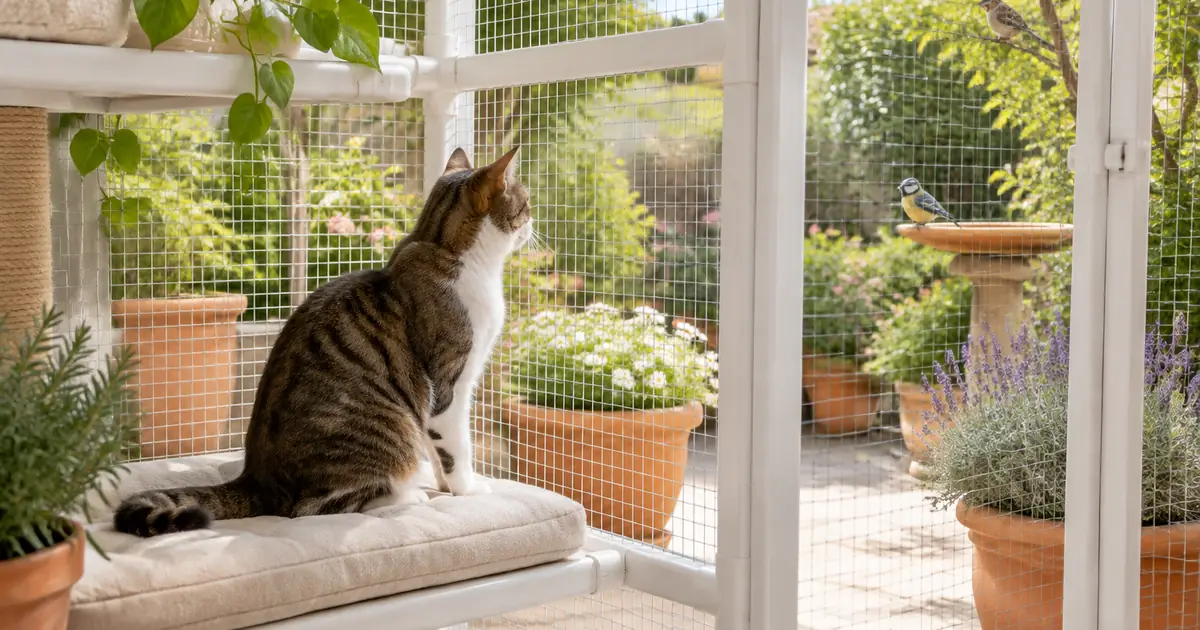
A cat outdoors experiences a sensory explosion an indoor environment can't match: air currents carrying dozens of scent layers, birdsong, insect movement, changing temperatures, sunlight. Fifteen minutes in a catio visibly tires cats out the way a long play session does — mental stimulation is real exercise.
Vertical territory
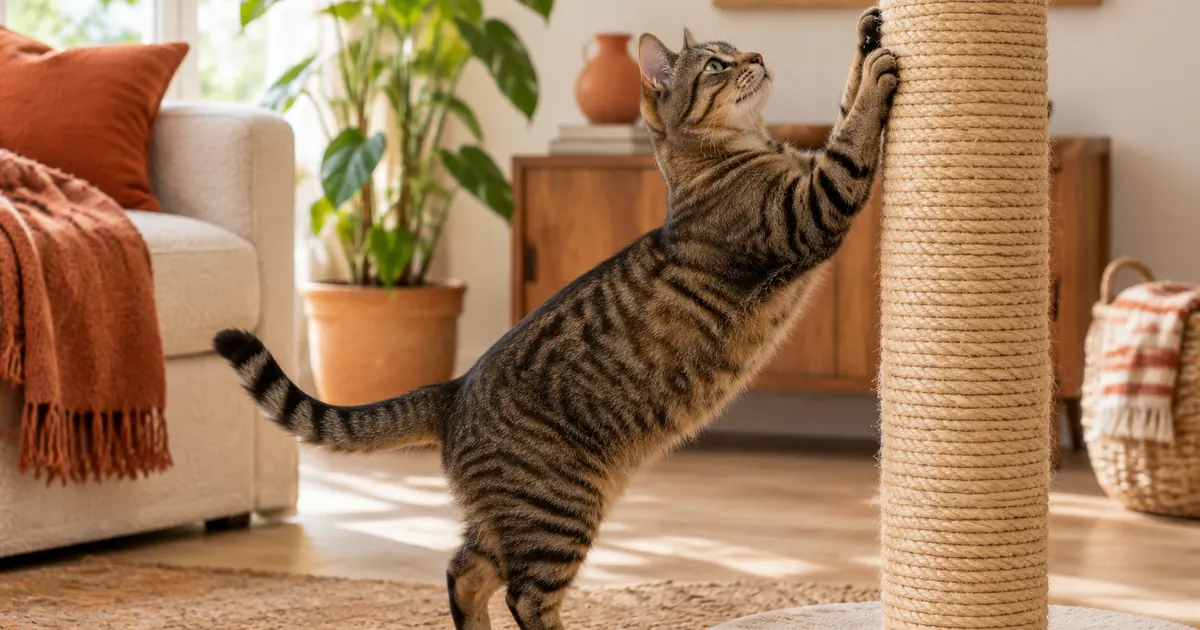
Cats instinctively seek height. Even a modest enclosure becomes valuable when the cat can climb and survey. Adding shelves or positioning the enclosure near existing climbing furniture multiplies its value.
Stress reduction
For cats in multi-cat homes or busy households, a catio offers retreat space where they can observe household activity from a safe distance — a genuine resource in feline behavior terms.
Choosing an Enclosure That Lasts
Material: PVC over wood
Wooden enclosures look charming and rot on schedule. Moisture attacks every joint, and cat urine accelerates the damage. A weatherproof PVC outdoor enclosure resists moisture, doesn't absorb odors, wipes clean, and survives years of sun exposure without splintering or warping. For a structure that lives outdoors permanently, material choice is the whole ballgame.
Mesh and gaps
Every opening must be small enough to prevent escape and keep neighborhood cats from reaching in. Check the mesh gauge — cats are patient escape artists and will test every seam. Doors should latch securely with a mechanism a child can't open but you can operate one-handed while carrying a cat.
Placement
The best catio placement offers both sun and shade through the day. Cats self-regulate heat exposure if given the choice; a fully sunny enclosure in summer afternoons is dangerous. Position it where your cat can see the yard's activity — birds, people, the occasional squirrel — and anchor it against tipping and wind.
Indoor Infrastructure Still Matters
A catio works as part of a vertical territory system, not a standalone. Inside, cats need their own height map: wall-mounted shelves with carpeted tops create routes, and a multi-level cat tree gives them a hub. The catio becomes the destination at the end of the journey — many owners install a direct window or door access so cats commute on their own schedule.
Getting a Reluctant Cat Outside
Not every cat marches into new territory. The introduction protocol:
- Week 1: Feed normal meals near (not in) the enclosure so it becomes familiar geography.
- Week 2: Place high-value treats just inside the entrance. Let the cat decide; never push or carry a hesitant cat in.
- Week 3: Feed meals inside with the door open. Most cats now enter voluntarily.
- Ongoing: Keep a routine — cats love predictability, and a daily catio hour becomes an appointment they'll remind you about.
Safety Checklist
- Supervise or ensure the enclosure is fully escape-proof before leaving cats unattended
- Provide water and shade inside the enclosure
- In winter, limit sessions in freezing weather — short visits, or skip days
- Never place the enclosure where dogs or wildlife can stress the cats through the mesh
- Check latches and mesh weekly; cats find weaknesses you miss
DIY vs. Purpose-Built Enclosures
Handy owners can frame a catio from lumber and hardware cloth, and for custom window fits it's sometimes the only option. But weigh the true costs: wood needs annual sealing, hardware cloth must be vinyl-coated to resist rust, and every seam is a potential escape point a determined cat will eventually find. A purpose-built PVC weatherproof enclosure arrives engineered against those failure modes — non-porous surfaces, secured mesh, and latches designed for daily use. For most households, the ready-made route is cheaper than two DIY rebuilds.
Weather considerations
In hot climates, add shade cloth over part of the enclosure and check surface temperatures — PVC platforms heat less than metal. In rainy climates, position the enclosure under an eave or add a small roof section so cats can choose shelter. Wind anchor kits or ground stakes matter for lightweight units.
Small Space, Big Return
You don't need a yard. Balcony-sized and compact enclosures deliver most of the sensory benefit. The investment is modest; the enrichment return — for a creature that would otherwise watch the same window for a decade — is enormous. Browse our cat furniture collection to build the complete vertical territory, indoors and out.